

Career Profile
Physiotherapist
by FundiConnect Editorial Team | 6 February 2019
Career Overview
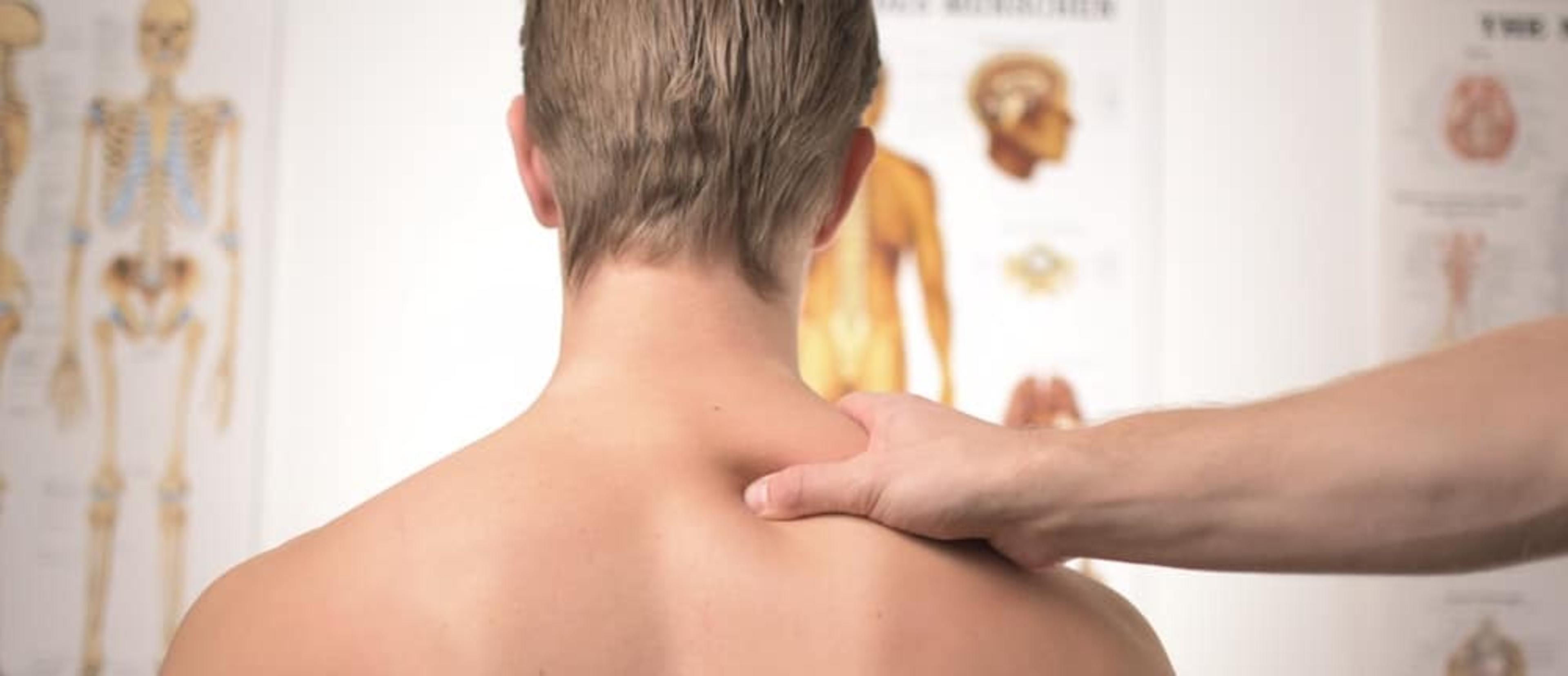
The role of a Physiotherapist is to provide physical therapy to individuals that have various physical ailments. They use a wide range of exercise regimes and techniques to assist patients in healing after injury or any trauma to the body.
As Physiotherapists work in the healthcare field they must be sensitive towards the confidentiality of patients. They must also be very knowledgeable in all techniques they use on patients and be capable in communicating efficiently with patients and their families.
Required School Subjects
In order to study Physiotherapy, there are certain school subjects that you’ll need to take. Please take note that these are recommended subjects and requirements may change depending on the institution.
- Pure Mathematics
- Life Sciences
- Physical Science
Take a look at our Subject Guide to find the value of specific subjects as well as suitable subject packages for various career fields.
Institution and APS
Some of the most reputable institutions which offer studies in Physiotherapy include:
- University of Witwatersrand (Wits) – No specific APS but will need to meet minimum requirements for English, Life Sciences/Physical Science and Pure Mathematics
- University of Pretoria (UP) – APS of 30
- Stellenbosch University – No specific APS required but will need to meet the minimum requirements for Life Sciences, Physical Sciences and Mathematics
Required Qualifications
To qualify as a Physiotherapist, you will need to obtain a formal qulalification. This is usually a Bachelor of Science degree which is generally four years. This type of qualification calls for practical experience in the form of community service for a year in South Africa.
Working Hours
Hours are dependent on practice hours but are usually between 37 and 40 hours a week during the week and sometimes over weekends.
Expected Salary
On average, Physiotherapists earn up to R254 061 per year in South Africa.
What to Expect
This can be a physically strenuous job as you are constantly on your feet engaging with the physicality of other bodies. It may, at times, require trial and error to solve patients’ problems which can require patience and deep care.